

Key Highlights
- Plan your trip around your existing care instructions, comfort and access needs.
- A ScoliSMART Activity Suit is a movement-based device; a long journey is not a reason to increase wear time.
- Pack the suit, fitting instructions, comfortable layers and any prescribed medicines where you can reach them.
- Arrange movement breaks and help with luggage; keep prescribed scoliosis brace hours separate from activity-suit use.
- New or severe symptoms need medical assessment, rather than tighter straps or extra exercises.
Introduction
Traveling with a scoliosis activity suit starts with a practical plan: check your wear instructions before leaving, pack essentials within reach, and build breaks into the journey. A flight or road trip does not automatically mean you must stop traveling or change your scoliosis treatment. What matters is whether the trip and your usual routine fit your current health, mobility and care plan.
This guide covers packing, seating and daily activities for adults using a ScoliSMART Activity Suit. Your type of scoliosis, current scoliosis symptoms and treatment options still matter. If you are new to the device, have worsening pain or are recovering from spinal surgery, get advice before using it away from home.
ScoliSMART Activity Suit and Adult Scoliosis
The ScoliSMART Activity Suit is designed to apply rotational resistance during movement. It is different from a rigid scoliosis brace. Ask the fitting team which activities and positions are appropriate, how to put it on correctly, and what to do if the fit becomes uncomfortable. Do not assume that wearing it for hours while seated provides the same intended activity as walking.
Keep the instructions for your own curve pattern and wear schedule available. Do not change strap direction, resistance or daily duration to compensate for a missed session. If you also have a prescribed brace, ask how the two routines should be coordinated. Never shorten prescribed brace hours on your own or assume the suit can replace bracing.
A 2023 ten-year adult activity-suit study retrospectively reviewed 22 selected patients with adult idiopathic scoliosis and compared outcomes with previously published natural-history data. Pain and Cobb-angle changes were reported, but this was not a randomized travel study. Selection, follow-up and self-reported adherence limit the conclusions.
That paper does not show that the suit prevents travel discomfort, improves core strength during a flight, or makes a particular itinerary safe. Its findings should not become a guaranteed curve-correction or quality-of-life promise. For a fuller discussion, read the science behind the Scoliosis Activity Suit. Keep the travel decision focused on your actual symptoms and instructions.
Preparing for Travel with a Scoliosis Activity Suit
Before booking, research accommodation and transport that fit your needs. Check walking distances, stairs, lift access, rest stops and whether you can request help with bags. Ask the accommodation directly about access rather than relying on a label such as “orthopedic-friendly.” Leave enough time for connections so that rushing and heavy luggage do not dominate the day.
Try your travel clothes and usual sitting position at home. Discuss rubbing, pressure or a changed fit with the fitting team before departure. Ask whether you need a physical exam before travel if symptoms have changed, and keep contact details available while away.
Packing Essentials for Comfort and Support
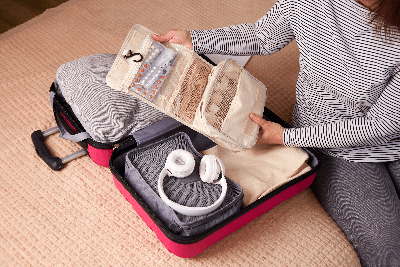
- Your own activity suit and its fitting, wear and cleaning instructions.
- Any prescribed scoliosis brace and a separate plan for meeting its wear schedule.
- Light, breathable clothing and a spare layer that does not press against straps.
- A small pillow or rolled towel if it makes your usual seated position more comfortable.
- Prescribed medicines in their labeled containers, relevant documents and your care team’s contact details.
- Comfortable shoes, water and a manageable bag that you can move without straining.
Keep essentials in hand luggage or an accessible bag where permitted, and check carrier and destination rules for medicines and medical items. A rolling bag and help with overhead storage may be easier than carrying a heavy load on one shoulder. Use pain medication only as directed. Ask before trying compression garments or a new heating device.
Loose layers can make the suit less noticeable. Choose fabric that lets you check the skin without altering the prescribed setup. Clothing choices do not create new muscle memory or correct the curve of the spine.
If clothing bunches or rubs, change the clothing rather than tightening the device to hide it. Ask about skin irritation or changed fit; avoid trying a new configuration while traveling.
Flights and Road Trips: Make Room for Breaks
Choose a seat and travel schedule that make position changes practical. Keep your feet supported when possible and use a small cushion only if it improves comfort without forcing a position. There is no single “perfect posture” that everyone with scoliosis must hold for the whole journey. Change position within your care restrictions instead of trying to stay rigidly upright.

On long journeys, the CDC advises frequent leg movement and walking breaks when feasible. Follow crew instructions and remain seated when required for safety. If you have recent surgery, previous blood clots or limited mobility, discuss your personal travel risk before departure. Compression stockings and preventive medicines require individualized advice.
The suit does not prevent blood clots. Ask whether to pack or wear it during a flight; the whole flight is not a treatment session.
Plan safe stops before you start, with shorter travel segments if sitting usually aggravates symptoms. At stops, walk or change position within your approved limits. Keep seat belts correctly positioned; a support cushion or device must not interfere with normal restraint use. Never loosen or adjust equipment while driving.
At your destination, allow time to settle in. Note what increased discomfort and what helped instead of pushing through a fixed itinerary.
Keep Exercises and Wear Time Within Your Care Plan
Continue the physical therapy or scoliosis-specific exercises that your clinician has already taught you, using the approved range of motion and space available. Ask which movements can be shortened or adapted for travel. Shoulder rolls, side bends and seated leg lifts are not a universal scoliosis program, especially after surgery or when nerve symptoms are present.
Missed exercises do not need to be “made up” with extra resistance or longer activity-suit sessions. Comfortable walking breaks serve a different purpose from a prescribed rehabilitation program. If an activity causes new pain, numbness or weakness, stop and seek advice rather than repeating it to build core strength.
Explore SAS Suitability and Online Access
If you are considering the suit for your regular routine, review fitting, support and suitability before planning to use it on a trip. The official page explains online access and ordering. Keep any existing brace, therapy or surgical follow-up plan coordinated with the team providing that care.

For an overview of the practice’s online-access process, watch ScoliSMART Activity Suit Online. The clip introduces the service; it does not provide individual travel clearance or replace your fitting instructions.
Scoliosis Pain Relief and When to Seek Help
Keep your usual pain-management plan available, with only medicines and doses already agreed with your clinician. If discomfort builds, reduce the activity, change position when safe and reassess the plan. A symptom diary can help explain the pattern later. Pain does not by itself measure a change in spinal curvature, and you cannot reliably judge curve progression from how you feel after a journey.
Seek prompt medical advice for new one-sided leg swelling or unexplained leg pain. Sudden shortness of breath, chest pain or fainting requires immediate medical help. The CDC travel guidance above explains these warning signs. Do not dismiss them as routine scoliosis discomfort. New weakness, loss of bladder or bowel control, or severe unexplained back pain also warrants urgent medical care.
For nonurgent questions about suitability or adapting your usual routine, use Dr. Clayton Stitzel’s consultation form. For urgent symptoms, use local medical services where you are traveling.
Further Reading for Adult Scoliosis Self-Care
For broader reading about living with persistent scoliosis-related pain, Conquering Scoliosis Pain: Understanding, Managing, and Treating a Lifelong Condition is a Kindle ebook by Dr. Clayton J. Stitzel. Use the author’s perspective to prepare questions for your care team, rather than as a personal prescription or proof that a particular treatment will work.

Discover hope, science, and real solutions—explore The Scoliosis Doctor series on Amazon and start transforming your scoliosis journey today! Download the Kindle app on your mobile device for free! Get it for iPhone. Get it for Android.
Frequently Asked Questions
Can I Wear My ScoliSMART Activity Suit During a Flight?
Follow your own fitting and wear instructions. Ask the fitting team whether to wear or pack it during long periods of travel. Do not assume that a longer flight calls for extra wear time, or that seated wear provides the same intended activity as walking.
Should I Replace My Scoliosis Brace with the Activity Suit for Travel?
No. Do not replace a prescribed brace or reduce its wear hours without your treating clinician’s approval. An activity suit and a rigid scoliosis brace serve different purposes, so travel arrangements should accommodate your existing care plan.
What if Traveling Makes My Back Pain Worse?
Change position or stop the activity when safe, follow your agreed symptom plan and contact your clinician if symptoms persist or change. Do not tighten the suit or add exercises to push through pain. New severe symptoms need medical assessment.
Are Some Destinations Better for People with Scoliosis?
Choose destinations that fit your mobility, comfort and interests. Check walking distances, stairs, transport and opportunities to rest. There is no universal approved destination or activity list for everyone who uses an activity suit.
Can I Travel Soon After Spinal Fusion?
Ask your surgical team about timing, transport, restrictions and blood-clot risk before booking. After scoliosis surgery, general activity-suit advice does not provide clearance to travel or to start using the device.
Your Next Step
Before leaving, confirm your wear schedule, pack the items you actually use and arrange realistic breaks. Keep the trip flexible enough to respond to symptoms. The goal is a manageable journey that respects your care plan, rather than a new treatment routine created on the road.
For general education while preparing questions, you can explore the Scolipedia AI Expert. Check medical decisions with a qualified clinician; an AI response is not a diagnosis or urgent-care service.



