


Key Highlights
- Gut health refers to how well your digestive system works and how balanced your gut microbiome is, especially the helpful microbes living in the large intestine.
- A healthy gut supports digestion, nutrient absorption, immune system function, and several parts of your overall health, including mental health and energy levels.
- Signs of an unhealthy gut can include bloating, gas, constipation, diarrhea, heartburn, fatigue, and other digestive issues that affect daily comfort.
- Food choices matter. Fiber-rich plant foods, whole grains, prebiotic foods, probiotic foods, fermented foods, water, sleep, and physical activity can all support gut health.
- Early interest in scoliosis and the gut microbiome suggests the digestive system may be one part of a bigger health picture in scoliosis care.
- If you live with scoliosis, improving digestive health may be a useful part of your wider wellness and scoliosis treatment plan.
Welcome to “The Scoliosis Doctor” website! Please watch this less than 2 min video.
Thank you, Dr. Clayton J. Stitzel
Your digestive system does much more than process meals. It breaks down food, absorbs nutrients, moves waste out, and helps support many parts of your overall health. Inside this system, your gut microbiome plays a major role. These microbes help with digestion, immune function, and even signals linked to mental health. So, what is gut health and why is it important for overall well-being? In simple terms, gut health means having a healthy gut with a good balance of helpful microbes and fewer digestive symptoms. That matters for anyone, but it becomes even more interesting when you look at conditions like scoliosis. As research grows, more people are asking whether digestive health could influence how the body functions beyond the gut itself.
Understanding Gut Health and Its Importance

At its core, gut health is about how well your digestive system works and whether your gut microbiome stays balanced. Your gut includes the stomach, intestines, and colon. It digests food, absorbs what your body needs, and removes waste. A healthy gut usually means limited digestive discomfort and enough beneficial bacteria to support normal body functions.
This matters because your gut is linked with far more than digestion alone. Research shows it connects with the immune system, sleep, mood, and other parts of overall health. When your digestive system is supported by healthy habits, your body is better positioned to function well. To understand this link more clearly, it helps to start with what gut health really means and why it deserves attention.
What Is Gut Health?
Gut health is a broad term, but a practical way to understand it is this: your gut health reflects how well your digestive system works and whether your gut microbiome is in a healthy state. The digestive tract includes the stomach, small intestine, and large intestine. Together, these parts break down food, absorb nutrients, and remove waste from the body.
Inside the large intestine, many microbes live and interact with your body every day. This community is called the gut microbiome. It includes bacteria, viruses, and fungi. Some microbes can be harmful, but many are beneficial bacteria that help you digest food and turn it into nutrients your body can use. Good bacteria also help maintain a balanced environment in the digestive tract.
One important sign of a healthy gut microbiome is diversity. In other words, having a wider range of beneficial bacteria appears to support good gut health. There is no single perfect mix for everyone, but balance matters. If that balance shifts, digestive symptoms may appear. That is why gut health is not just about avoiding stomach trouble. It is about supporting the daily work your digestive system does to keep your body functioning well.
Why Gut Health Matters for Overall Wellbeing
Gut health matters because the gut helps break down what you eat and absorb the nutrients your body depends on. Without that process, the rest of the body does not get the fuel it needs. Research also shows that gut bacteria may affect many organs and systems, which makes gut health a key part of overall health.
There is also a strong connection between the gut and the immune system. A large share of immune activity is tied to the gut, and beneficial microbes help support that process. When gut balance is off, some people notice more digestive symptoms, lower energy, or frequent illness. Your body often gives clues when something is not working well.
Mental health is part of this picture too. The gut and brain appear to communicate in both directions, often called the gut-brain axis. Early research suggests gut bacteria may influence mood, stress responses, and emotional wellbeing. That does not mean gut health explains everything, but it does help answer a common question: how does gut health affect mental health and mood? In many cases, your digestive system and your mind are more connected than they seem.
The Gut Microbiome and Digestion

Your gut microbiome is made up of microbes that live mostly in the large intestine. These gut bacteria help break down parts of food that your body cannot fully digest on its own, especially certain fibers and resistant starches. That makes them an important part of the digestive system, not just passive passengers in it.
When the gut microbiome is balanced, it supports smoother digestion and better digestive health. It also helps create useful compounds during fermentation and supports the gut lining. If you have ever wondered what role the gut microbiome plays in digestion, the answer is simple: it helps your digestive tract do its job more effectively. To see how that works, let’s look at its direct role in digestion and the daily factors that shape it.
Role of the Gut Microbiome in Digestion
The gut microbiome supports digestion in several ways. In the large intestine, beneficial bacteria feed on undigested material such as fiber and resistant starch. This process helps break food down further after it has passed through the stomach and small intestine. That is one reason your digestive system depends on microbes as well as digestive enzymes.
These good bacteria also help produce useful compounds during fermentation. Some of these compounds, including short-chain fatty acids, may help support the gut lining and reduce inflammation. This is one of the clearest answers to the question, what role does the gut microbiome play in digestion? It assists the digestive tract, supports regularity, and helps your body get more value from what you eat.
A few key digestive health roles stand out:
- Beneficial bacteria help break down fibers that would otherwise pass through with less benefit.
- They support smoother waste removal by helping process material in the large intestine.
- They contribute to a healthier digestive system environment by helping crowd out less helpful microbes.
When your gut microbiome is well supported, digestion often feels more steady and predictable.
Factors Shaping a Healthy Gut Microbiome
A healthy gut microbiome is shaped by everyday habits. Your diet has a major effect on the gut bacteria that grow in your digestive tract. What you eat can influence your balance of bacteria in both the short term and long term. A plant-rich eating pattern, enough fluid, and a wide variety of foods can help support a diverse microbiome.
Lifestyle matters too. Stress levels, sleep, movement, and antibiotic use can all affect gut health. Chronic stress may disturb the gut, while too little sleep and low physical activity may also work against a healthy gut microbiome. Some factors are outside your control, including age, genetics, and environment, but many daily choices still make a difference.
If you want simple ways to naturally support a healthy gut, focus on basics like these:
- Eat a varied diet with fruits, vegetables, legumes, nuts, and whole grains.
- Stay active with regular physical activity such as walking or cycling.
- Manage stress levels and aim for consistent, good-quality sleep.
- Be thoughtful with antibiotics and discuss probiotic supplements with a doctor when needed.
Small changes can help improve the conditions that support a balanced and healthy microbiome.
How to Identify an Unhealthy Gut

You cannot measure an unhealthy gut with one simple sign, but your body often gives hints. When the gut microbiota becomes less balanced, digestive symptoms may start to show up more often. This can happen when helpful microbes decline and harmful bacteria gain more influence in the digestive system.
So, how can you tell if you have an unhealthy gut? Common clues include gas, bloating, constipation, diarrhea, heartburn, fatigue, low mood, and poor sleep. Frequent digestive issues do not always mean a major problem, but they can signal that your gut health might need attention. In the next sections, you will see the most common signs and the digestive problems often linked to gut imbalance.
Common Signs and Symptoms of Poor Gut Health
Poor gut health often shows up in ways that are easy to dismiss at first. You may notice digestive discomfort after meals, changes in bowel habits, or a stomach that just feels unsettled more often than usual. These signs do not confirm a diagnosis on their own, but they can suggest that your gut needs support.
Some symptoms extend beyond the digestive tract. People with an unhealthy gut may also deal with fatigue, poor sleep, high stress, or mood swings. That wider pattern matters because gut health is linked with mental and physical wellbeing, not just digestion. Conditions such as irritable bowel syndrome are also often discussed when people have long-term digestive symptoms.
Common signs that your gut health might need improvement include:
- Gas, bloating, or abdominal discomfort
- Constipation, diarrhea, or heartburn
- Ongoing tiredness or sleep disturbances
- Low mood, anxiety, or mood swings
- Frequent infections or feeling run down
If several of these symptoms keep showing up, it may be a good idea to speak with a doctor. Paying attention early can help you make changes that support better digestive health.
Digestive Issues Linked to Gut Imbalances
When the gut microbiome becomes less balanced, digestive problems may become more noticeable. Researchers are studying how different types of bacteria relate to gut symptoms and certain health conditions. While the science is still developing, poor gut balance has been linked with several digestive issues and broader health concerns.
You may hear this connection discussed in conditions such as irritable bowel syndrome and inflammatory bowel disease. That does not mean the gut microbiome is the only cause. It does mean the balance between helpful and harmful bacteria may influence how the digestive system feels and functions. Symptoms often overlap, which is why it helps to look at the full picture rather than one complaint in isolation.
| Digestive issue or condition | How gut imbalance may relate |
| Bloating and gas | Changes in the gut microbiome may affect fermentation and digestive comfort |
| Constipation | Lower fiber intake, poor hydration, and shifts in gut bacteria may slow bowel movements |
| Diarrhea | Infections, antibiotics, or microbial imbalance may disrupt normal digestion |
| Heartburn | Digestive irritation may occur alongside other gut symptoms |
| Irritable bowel syndrome | Research suggests the gut microbiome may play a role in symptoms such as bloating and bowel habit changes |
| Inflammatory bowel disease | Gut microbes are being studied for their possible role in inflammation and disease activity |
The Connection Between Gut Health and Scoliosis

Scoliosis is a health condition centered on the spine, but many people want to understand whether gut health could also matter. That question is gaining attention because the gut microbiome may influence inflammation, immune activity, nutrient use, and overall health. Since the body works as one connected system, it makes sense to ask whether digestive function could be part of the bigger picture.
This is especially relevant for people with Scoliosis, idiopathic scoliosis, or adolescent idiopathic scoliosis who want a broader view of wellness. Gut health is not a stand-alone answer for spinal curves, but digestive system support may still matter alongside scoliosis treatment. Early research and clinical discussion are exploring this connection, and the next two sections highlight what is being talked about most.
Exploring Research: Study Findings on Scoliosis and Gut Health
A study available through PubMed Central adds to the growing discussion around scoliosis and the gut microbiome. You can read it here: study on scoliosis and gut health. In broad terms, the paper adds support to the idea that changes in gut bacteria may be worth examining in people with scoliosis as part of a larger health picture.
The main value of this research is not that it proves one direct cause. Instead, it highlights that the digestive system, immune-related activity, and microbial balance may deserve more attention in this health condition. That fits with what broader gut research already shows: the gut microbiome may influence many systems in the body, not only digestion itself.
So, are there science-backed tips for boosting gut health at home while this research continues? Yes. The strongest support still comes from basics such as eating more fiber-rich plant foods, drinking enough water, sleeping well, reducing stress, and staying physically active. Those steps are practical, safe, and consistent with what we know about supporting a healthy gut microbiome.
The article Gut Health and Scoliosis Progression: Is There a Connection? reflects a growing interest in how the gut microbiome may relate to scoliosis care. Its main message aligns with broader gut science: digestive health may influence overall health in ways that could matter for people managing spinal conditions.
What makes this discussion useful is its practical focus. Rather than treating the gut as a separate topic, it frames a healthy gut as one piece of whole-body support. That includes attention to the digestive tract, stress, food quality, and lifestyle habits that may help create better conditions for gut bacteria to thrive.
For readers looking for science-backed tips at home, the direction is familiar and sensible. Focus on a plant-rich eating pattern, increase fiber gradually, include fermented foods when tolerated, drink plenty of water, move your body, and protect sleep. These steps will not replace scoliosis treatment, Scoliosis Brace use, Scoliosis surgery decisions, or other care plans, but they may support general wellbeing while you manage scoliosis.
“Gut Feelings” by Clayton J. Stitzel
Gut health has become an important topic in scoliosis conversations, and that is where Gut Feelings: The Overlooked Link Between Scoliosis and Digestive Distress by Clayton J. Stitzel, The Scoliosis Doctor, stands out. The book draws attention to the possible relationship between scoliosis, digestive health, and the gut microbiome in a way that is accessible for general readers.
If you want to explore the book, you can find it here: Gut Feelings by Clayton J. Stitzel. Its value is in encouraging readers to think about a healthy gut as part of overall health, not just as a separate digestive issue. The next sections break down the main takeaways and practical ideas highlighted by Dr. Clayton J. Stitzel, The Scoliosis Doctor.
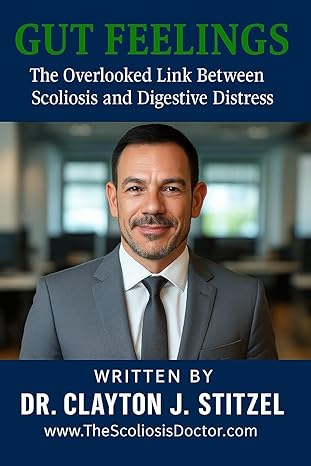
Discover hope, science, and real solutions—explore The Scoliosis Doctor series on Amazon and start transforming your scoliosis journey today! Download the Kindle app on your mobile device for free! Get it for iPhone. Get it for Android.
One of the strongest themes in Gut Feelings is that scoliosis should be viewed within a wider health context. The book highlights how digestive symptoms may be easy to overlook when the focus stays only on the spine. That broader view can be helpful for families and patients who want to understand how gut health may fit into overall health.
Another useful takeaway is that the digestive system may affect quality of life more than people expect. If your gut microbiota is out of balance, you may feel the effects through bloating, bowel changes, or low energy. For someone already managing scoliosis, that extra strain can make daily life harder. The book encourages readers to pay attention to these patterns rather than ignore them.
Key themes include:
- Gut health may be one meaningful part of a wider scoliosis wellness plan.
- Digestive symptoms deserve attention, even when spine concerns take center stage.
- Looking at the body as an interconnected system may help guide better daily habits.
- Supporting the gut may help improve comfort, routine, and overall health.
This perspective does not replace medical care. It adds another lens through which to view scoliosis support.
Practical Tips Highlighted by Clayton J. Stitzel
A practical strength of Clayton J. Stitzel’s message is that it points readers back to daily habits. The best support for gut health usually starts with food, routine, and consistency. That means working toward a healthy diet with more fiber, more variety, and fewer ultra-processed choices that may work against digestive health.
The ideas fit well with the broader evidence on the balanced gut microbiome. A plant-rich pattern helps feed beneficial bacteria. Water supports stool softness and digestion. Stress, sleep, and physical activity also matter. These are not dramatic fixes, but they are realistic lifestyle changes that can improve how your body feels over time.
Practical takeaways include:
- Add more prebiotic foods such as onions, garlic, leeks, oats, beans, lentils, and chickpeas.
- Include probiotic foods or fermented foods like yogurt, kefir, kimchi, sauerkraut, or tempeh when they suit you.
- Build meals around fruits, vegetables, legumes, nuts, seeds, and whole grains.
- Support digestion with sleep, movement, and stress control.
If you are also exploring scoliosis treatment options through The Scoliosis Doctor, ask how gut-friendly habits may fit alongside plans such as ScoliSMART or the ScoliSMART Activity Suit.
Watch this short video to learn how you can get the ScoliSMART Activity Suit Online with free global shipping!

Leaky Gut Syndrome and Scoliosis
Leaky gut syndrome is a term many people hear in wellness discussions, especially when talking about inflammation and digestive complaints. While the phrase is widely used, it is usually brought up in the context of gut barrier function and how the digestive tract responds when balance is disrupted. That can include concerns about harmful bacteria, irritation, and poor digestive comfort.
For people with scoliosis, this topic comes up because gut health is increasingly being examined as one part of a broader health condition picture. It is not a proven explanation for scoliosis, but it may be part of the conversation around immune function, digestive symptoms, and overall wellness. To keep the topic clear, it helps to first define the term and then look at why people connect it to scoliosis progression.
What Is Leaky Gut Syndrome?
Leaky gut syndrome is commonly used to describe a situation where the gut lining may not be functioning as well as it should. In everyday discussion, people use the term when talking about digestive tract irritation, microbial imbalance, and symptoms that suggest an unhealthy gut. It is often linked to the idea that the gut barrier becomes less effective.
This topic is usually discussed alongside the gut microbiome because the balance of microbes may help influence the condition of the gut lining. Beneficial bacteria can support gut health, while harmful bacteria and ongoing irritation may work against it. That is why food quality, stress, sleep, and lifestyle often come up in the same conversation.
Even with all the interest around leaky gut syndrome, it is important to stay grounded. Gut health science is still developing, and there are no miracle cures that quickly fix an unbalanced microbiome. The most evidence-based starting point remains the same: support your digestive system with fiber-rich foods, enough water, movement, sleep, and stress reduction rather than chasing fast solutions.
How Leaky Gut May Influence Scoliosis Progression
People connect leaky gut syndrome and scoliosis because the gut may influence immune function, inflammation, and how the body feels overall. If digestion is poor and digestive problems are frequent, your body may be dealing with more stress than you realize. That matters because scoliosis management is not only about the spine. It is also about supporting general health.
There is also the gut-brain connection to consider. When gut health is off, some people notice low mood, stress, anxiety, and fatigue along with digestive symptoms. That helps answer another common question: how does gut health affect mental health and mood? The relationship appears to go both ways. Stress can upset the gut, and gut imbalance may affect mood and emotional wellbeing.
At this stage, it is best to think of this as a possible influence, not a proven driver of scoliosis progression. Still, improving gut health may help reduce strain on the body and support better daily function. If you have scoliosis, digestive symptoms, and ongoing stress, talking with your care team may help you build a more complete plan.
Nutrition and Foods for a Healthier Gut

If you want to improve digestive health, food is the best place to start. A healthy diet gives your gut microbiome the fuel it needs and helps your body absorb essential nutrients. The strongest pattern is simple: eat more plant foods, choose more fiber, drink enough water, and include foods that support beneficial bacteria.
Whole grains, legumes, fruits, vegetables, nuts, seeds, prebiotic foods, and some fermented foods all have value here. Probiotic foods may help in certain cases, and variety seems especially important for a healthy microbiome. So, what are the best foods to eat for improving gut health? The next section covers the top choices, followed by common habits and foods that may work against your progress.
Best Foods to Support Your Gut Health
The best foods for a healthy gut tend to be simple, whole, and rich in fiber. A plant-rich eating pattern supports digestive health because it feeds beneficial gut bacteria and helps promote regular bowel movements. It also supplies essential nutrients that support the rest of your body.
Variety is another major factor. Different plant foods provide different types of fiber and plant compounds. That variety may help create a more diverse gut environment. Fermented foods and probiotic foods can also play a role, though food is usually a better starting point than supplements for most people.
Here are some of the best foods to support your gut health:
- Fruits and vegetables, especially a wide range of colors and types
- Beans, lentils, chickpeas, nuts, and seeds for fiber and prebiotic support
- Whole grains such as oats, barley, and rye-based foods
- Fermented foods like yogurt, kefir, kimchi, sauerkraut, tempeh, and kombucha
- Foods rich in polyphenols, including herbs, spices, tea, coffee, cocoa, and dark chocolate
If you want one clear answer to what to eat, it is this: build meals around plant foods and choose minimally processed options as often as you can.
Foods and Habits to Avoid for Gut Wellness
Supporting your gut is not only about what to add. It also helps to notice what may throw the digestive tract off balance. Diets high in ultra-processed items are often lower in fiber, and that can work against a balanced diet and a healthy microbiome. Too much alcohol, smoking, high stress, and poor sleep may also contribute to poor gut health.
Some ingredients, such as artificial sweeteners and certain additives, are still being studied. Results are mixed, so there is not a final answer yet. Still, many people choose to limit heavily processed foods and drinks because they often crowd out the whole foods that better support gut wellness.
Common foods and habits to limit include:
- Ultra-processed foods such as packaged snacks, ready-made meals, sweet desserts, and processed meats
- Sugary drinks and low-fiber eating patterns
- Too much alcohol and smoking
- Skimping on sleep, water, and physical activity
The goal is not perfection. The best way to support a healthy gut is to shift your routine toward more whole foods, more fiber, and steadier daily habits.
Conclusion
In conclusion, understanding the link between gut health and scoliosis is essential for managing both conditions effectively. Research has shown that an unhealthy gut can exacerbate scoliosis symptoms, making it crucial to address digestive health. For further insights, you can explore the findings of a study on this connection here, and check out additional information on gut health and scoliosis progression from the Treating Scoliosis Blog here. Additionally, “Gut Feelings: The Overlooked Link Between Scoliosis and Digestive Distress” by Clayton J. Stitzel offers valuable perspectives on this topic. With practical tips and key takeaways, it serves as a great resource for anyone looking to understand the interplay between gut health and scoliosis. Embracing these insights can lead to a healthier life and improved overall wellbeing.
Frequently Asked Questions
Can improving gut health help manage scoliosis symptoms?
Improving gut health is not a cure for scoliosis, but it may offer health benefits that support daily comfort and overall function. A healthier gut microbiome can help with digestive health, energy, regularity, and general wellbeing. If bloating, constipation, stress, or poor sleep are also affecting you, those changes may make scoliosis feel harder to manage. Supporting your gut can be a helpful part of a wider scoliosis care plan, alongside guidance from your medical team.
Are probiotics beneficial for those with scoliosis?
Probiotics may offer a health benefit in some cases, but they are not always necessary for everyone with scoliosis. Research suggests certain probiotics can help with specific digestive concerns, such as antibiotic-related diarrhea, constipation, or some irritable bowel syndrome symptoms. The effect depends on the strain, not just the label. Because probiotics work differently in each digestive tract, it is smart to ask a doctor or dietitian before using them regularly, especially if you have other health concerns.
How do doctors recommend supporting both digestion and spine health?
Doctors often recommend a broad lifestyle approach that supports both digestive health and spine health. That usually includes a balanced diet rich in plant foods, enough water, regular physical activity, quality sleep, and stress control. For digestion, these habits help support a healthy gut and more regular bowel function. For the spine, they support general wellness and daily function. If you are receiving scoliosis treatment, ask your provider how nutrition, movement, and digestive support fit into your care plan.


